
St. Brynach's Cross Pendant, Bronze

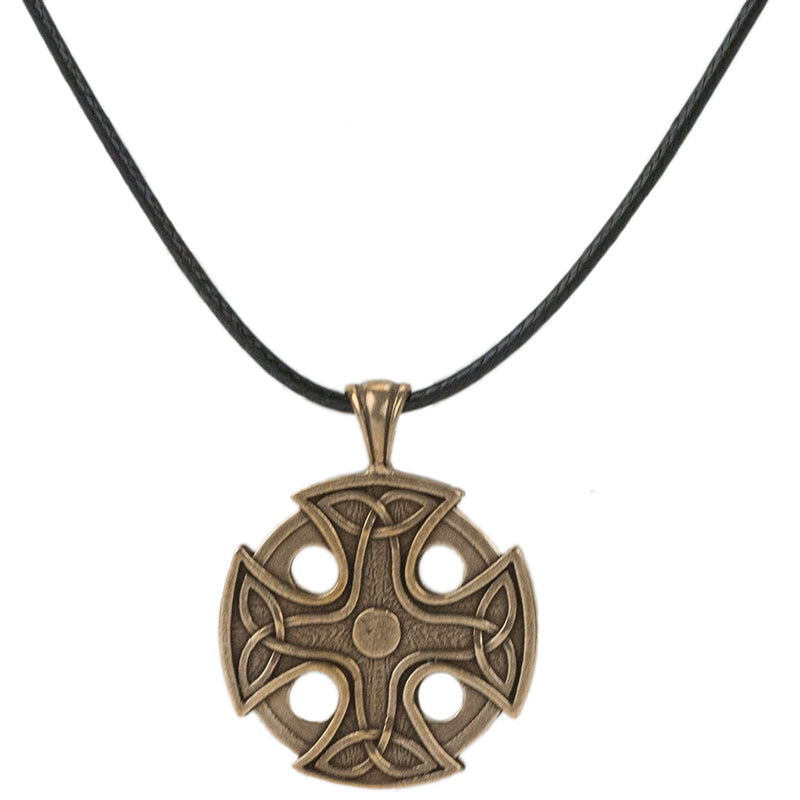
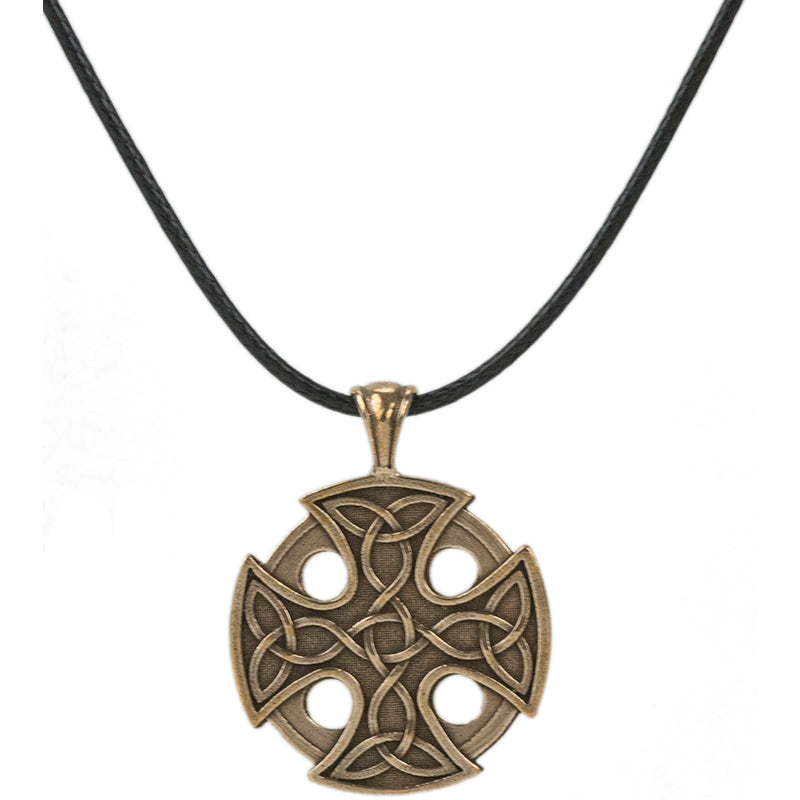
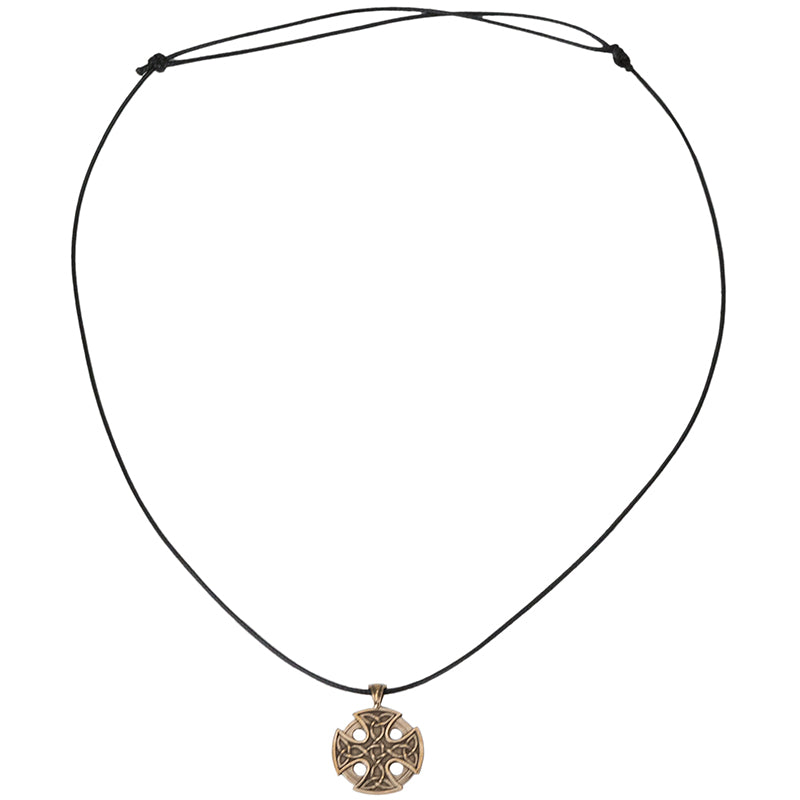
This bronze cross, inspired by the Great Cross in the churchyard of St. Brynach in Nanhyfer (Nevern), Wales, is set in Celtic style against the circle of the sun, and ornamented with the endless ribbon of eternity. Like the original stone cross, the pendant is double sided. The design is deeply incised. The pendant comes with an adjustable (18 to 36 inch) fabric cord. The St. Brynach's Cross is about 1-1/16 inches in diameter. Made in USA, exclusive to David Morgan.
This bronze cross, inspired by the Great Cross in the churchyard of St. Brynach in Nanhyfer (Nevern), Wales, is set in Celtic style against the circle of the sun, and ornamented with the endless ribbon of eternity. Like the original stone cross, the pendant is double sided. The design is deeply incised. The pendant comes with an adjustable (18 to 36 inch) fabric cord. The St. Brynach's Cross is about 1-1/16 inches in diameter. Made in USA, exclusive to David Morgan.
-
The linear cross, which came to represent the crucifixion of Christ, was first used on grave markers in the 5th century. The early crosses were very simple. The circle of the sun was later placed around the upper part, forming a design similar to that of some styles of the Chi-Rho. During the 5th and 6th centuries the Chi-Rho and linear cross symbols converged in design, creating the basis for the crosses we now recognize as the Celtic Cross. The earliest symbols were formed of simple lines cut into the stone face of a slab or pillar. Over time more ornament was added, such as the multiple lines in our Celtic cross, and the recurved hook on our Chi-Rho cross.
-
 This cross depicts the design of the top of the great cross in Wales in the churchyard in Nanhyfer, Pembrokeshire. The great cross, 13 feet tall and ornamented with Celtic knotwork, is dedicated to St. Brynach who lived in the late 5th and early 6th centuries. He was a native of nearby Cemaes who, after a pilgrimage to Rome and a sojourn in Brittany, returned to Wales to lead an ascetic life in Nanhyfer. The cross was carved in the 10th or 11th century. Legend has it that the cuckoo, on returning to Wales in the spring, first sings from the cross on April 7th, the saint's feast day.


